Ultraviolet (UV) disinfection remains a primary method for reducing microbial contamination in continuous-flow water treatment systems. The reliability and effectiveness of a UV water sterilizer depend heavily on the condition and quality of its components. Quartz sleeves, electronic ballasts (EPRA), and electrical connectors are critical parts requiring regular inspection and timely replacement. Neglecting these elements leads to reduced UV intensity and incomplete disinfection, which can compromise both industrial processes and potable water safety. This article outlines best practices for selecting and replacing these components, common pitfalls in the field, and methods for on-site equipment verification. For instance, quartz sleeves often accumulate deposits that attenuate UV radiation, and improper ballast selection can cause unstable lamp operation.
Below, we examine who benefits most from a systematic approach to component management and when it is essential.
Who needs this and when
- Water treatment engineers — to maintain required disinfection parameters.
- Production technologists — to prevent downtime caused by UV equipment failures.
- Operations personnel — for scheduling preventive maintenance and replacements.
- Water system designers — during equipment and component selection.
- Procurement specialists — to correctly select spare parts matching technical specifications.
- Quality controllers — to detect efficiency declines promptly.
- Technical support managers — for rapid troubleshooting and response.
Understanding each component’s function helps avoid increased repair costs and production losses.
Quartz sleeves: function, inspection, and impact of improper selection
The quartz sleeve is a transparent tube that isolates the UV lamp from water and mechanical damage while allowing maximum UV transmission without distortion. During operation, mineral scale, organic matter, and biofilm accumulate on the sleeve’s surface, reducing UV intensity and thus the disinfection efficacy.
On-site inspection involves visual examination and UV intensity measurement using specialized instruments. Key checks include:
- Presence of visible deposits or fouling;
- Absence of cracks or scratches;
- UV transmittance level;
- Correct installation and sealing integrity.
Failure to monitor sleeve condition results in diminished UV output, incomplete water disinfection, increased resource consumption, and potential lamp failure due to water ingress into electrical parts.
Regular cleaning with appropriate agents matched to contaminant types is recommended. Sleeve replacement should occur upon decreased UV transmittance or visible damage. Maintaining spare quartz sleeves and defining replacement intervals in technical documentation ensures consistent system performance.
Electronic ballasts (EPRA): operation principles and diagnostics
The electronic ballast is a vital unit regulating stable power supply to the UV lamp, controlling current and voltage. Ballast quality directly affects lamp lifespan and UV output intensity. Incorrect or worn ballasts cause power fluctuations, reducing disinfection efficiency.
Physically, the EPRA converts mains voltage to parameters optimized for UV lamp operation. Instability leads to flickering, dimming, or lamp shutdown. On-site diagnostics involve multimeters, oscilloscopes, current and voltage meters, alongside visual inspection for overheating or damage. Recommended checks:
- Stability of output voltage and current;
- Absence of overheating or unusual odors;
- Integrity of connections and insulation;
- Compliance with lamp technical specifications.
Using incompatible or faulty EPRA shortens lamp life and decreases UV intensity, leading to reduced disinfection efficiency, equipment downtime, and increased repair costs. Power inconsistencies may also compromise operational safety.
It is advised to use manufacturer-recommended ballasts, perform regular power parameter monitoring, and replace units showing deviations. Protecting EPRA from moisture and dust and ensuring adequate cooling are essential.
Connectors and sealed joints: impact on reliability and safety
Connectors provide electrical links between the lamp, EPRA, and power supply. Their sealing and quality are critical for safe and long-term UV system operation. Moisture and contamination at connection points can cause corrosion, short circuits, and equipment failure.
On-site connector inspection includes visual checks for corrosion, dirt, insulation damage, and connection tightness. Measuring contact resistance and verifying absence of sparking upon power-up are important. Key parameters:
- No mechanical play and secure fixation;
- Intact insulation materials;
- Sealing integrity;
- Compliance with voltage and current standards.
Compromised sealing allows water ingress, risking electrical faults and equipment damage. Poor-quality connectors increase short circuit risk and endanger personnel safety, also reducing EPRA and lamp service life.
To ensure reliability, use certified connectors suited to operational conditions, conduct regular preventive inspections and cleaning, and follow manufacturer installation and maintenance guidelines.
Case study: decreased disinfection efficiency due to quartz sleeve fouling
Initial conditions
An industrial water treatment facility operating a flow UV sterilizer at 85 m³/h reported declining UV disinfection performance. The system featured quartz sleeves and modern EPRA.
Symptoms
- 25% drop in UV intensity compared to nominal values;
- Increased microbial counts post-treatment;
- Lamp housing overheating;
- Frequent alarm triggers;
- Extended lamp operating times to meet standards.
Cause analysis
The main cause was scale buildup on quartz sleeves, stemming from high water hardness. Deposits reduced UV transmittance, lowering disinfection efficacy. Additionally, fouling caused overheating, impacting EPRA function and accelerating lamp wear. Lack of routine cleaning exacerbated the problem.
What to check
- Quartz sleeve condition (visual and UV measurement).
- EPRA operation (voltage and current stability).
- Connector sealing and cleanliness.
- Lamp housing temperature.
- Water quality parameters (hardness, turbidity).
- Maintenance schedules and compliance.
- Lamp operating hours and replacement history.
- Pre-UV water treatment systems status.
Solutions implemented
- Chemical cleaning and replacement of quartz sleeves.
- EPRA adjustment and replacement as needed.
- Replacement of damaged connectors and seals.
- Establishment of regular cleaning and inspection routines.
- Installation of pre-filtration to reduce water hardness.
- Staff training on maintenance and monitoring procedures.
Implementation steps
- Maintenance planning to minimize production downtime.
- Procurement and preparation of spare parts.
- Installation and testing of new components.
- EPRA parameter tuning.
- UV intensity monitoring system deployment.
- Documentation and maintenance logs management.
Results monitoring
Post-intervention, UV intensity stabilized at design levels, microbial contamination decreased to acceptable norms, and improved water treatment extended quartz sleeve and lamp lifespan, reducing maintenance costs.
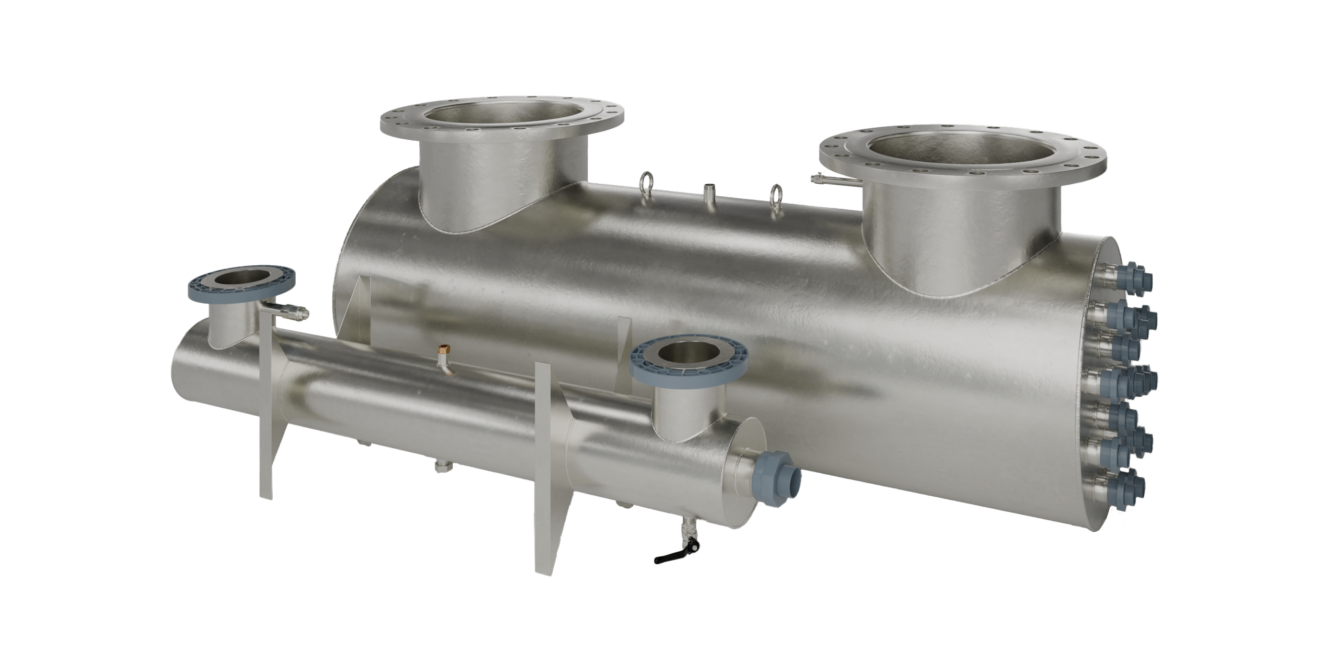
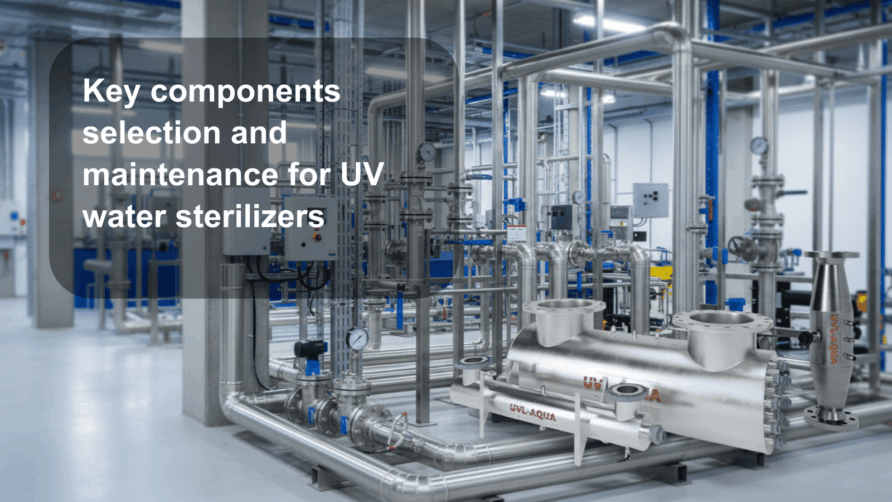
Multi-lamp UV pressure units in a stainless steel housing are used for water treatment. They can be made of AISI 316 or AISI 304 steel, with any performance parameters suitable for your system.
Common mistakes in selecting and replacing UV sterilizer components
- Neglecting regular quartz sleeve cleaning, reducing system efficiency.
- Using incompatible or uncertified EPRA, causing unstable lamp operation.
- Ignoring connector sealing and condition checks, increasing failure risk.
- Delaying replacement of worn parts, leading to downtime and costs.
- Overlooking water quality factors (hardness, turbidity) when selecting components.
- Insufficient personnel training on maintenance and inspection.
- Disregarding manufacturer recommendations on operation and part replacement.
A systematic approach and continuous monitoring of component condition are essential for stable UV system performance.
Pre-installation checklist for UV water sterilizers
- Verify lamp and EPRA technical specifications compliance.
- Maintain spare quartz sleeves and components for replacement.
- Assess water quality and necessity for pre-filtration.
- Organize regular UV intensity and sleeve condition monitoring.
- Ensure sealing integrity and reliability of electrical connections.
- Set up EPRA operation parameter monitoring.
- Train personnel on maintenance and safety protocols.
- Develop component replacement and cleaning schedules.
- Plan for rapid response to equipment faults.
- Confirm component compatibility with existing equipment.
- Provide safe conditions for component installation and removal.
- Keep detailed documentation and maintenance logs.
Frequently asked questions before purchasing and implementing UV sterilizers
How often should quartz sleeves be replaced?
Replacement is recommended when UV transmittance decreases or mechanical damage occurs, typically every 1–2 years depending on water quality and operating conditions.
Can universal EPRA be used for different lamps?
No, EPRA must match the technical parameters of the specific UV lamp to avoid failures and reduced service life.
How to verify disinfection effectiveness on-site?
Use UV radiometers to measure emission intensity and perform microbiological water tests before and after treatment.
What to do if corrosion is found on connectors?
Replace damaged parts, ensure sealing, and review environmental conditions for excessive humidity.
How to assess the need for pre-filtration?
High hardness and suspended solids in water necessitate pre-filtration to protect quartz sleeves from fouling.
How to ensure safety during UV sterilizer maintenance?
Power off equipment, use personal protective equipment, and observe recommended wait times after shutdown.
Which EPRA parameters affect operational stability?
Key factors include stable output voltage and current, and protection against overheating and short circuits.
Is it advisable to use UV lamps from different manufacturers in one system?
Preferably, use lamps and components from the same manufacturer to ensure compatibility and optimal performance.
How often should connector sealing be checked?
At least biannually, with more frequent inspections if issues arise.
In summary, selecting and maintaining components for flow-through UV water sterilizers is critical for effective UV disinfection. Key focus areas include monitoring quartz sleeve condition, ensuring stable EPRA operation, and maintaining reliable connector sealing. The process involves data collection, pilot testing, and establishing maintenance protocols to sustain performance.