Ultraviolet (UV) disinfection of wastewater is a critical stage in industrial water treatment, reducing microbial contamination without chemical additives. For engineers and process specialists, understanding that the effectiveness of UV sterilizers depends heavily on proper operation and maintenance is essential. Mistakes in these areas often lead to reduced disinfection quality, increased risk of biological fouling, and higher operational costs. This article reviews typical challenges encountered in the field and provides practical recommendations to mitigate them. For example, frequent fouling of quartz sleeves diminishes UV radiation intensity, while delayed lamp replacement results in insufficient disinfection doses. A real-world case is also analyzed, illustrating how improper sensor calibration and lack of monitoring caused system failures.
Who needs this and when
- Water treatment plant engineers — to ensure stable UV system operation.
- Industrial process technologists — during implementation of UV wastewater disinfection.
- Maintenance specialists — for planning preventive servicing.
- Engineering system designers — when selecting and integrating equipment.
- Plant managers — to assess economic and treatment performance.
- Water quality controllers — for monitoring and analyzing disinfection outcomes.
- Installation contractors — to avoid commissioning errors.
Incorrect selection and calibration of UV disinfection dose
UV disinfection relies on bactericidal radiation that damages microbial DNA, preventing reproduction. Selecting the correct UV dose is fundamental for effective disinfection. Key factors influencing dose calculation include system capacity, water characteristics (transparency, turbidity), and regulatory requirements.
On-site dose verification involves UV intensity sensors and water parameter monitoring. It is crucial to confirm the system delivers the minimum required dose across all operating modes, especially at peak flow and variable water quality. This requires:
- Checking UV intensity sensor readings.
- Analyzing water transparency and turbidity levels.
- Comparing actual data with equipment specifications.
- Measuring dose at the system outlet.
- Verifying compliance with normative standards.
Under-dosing results in incomplete disinfection and elevated microbial loads, posing environmental and sanitary risks. Over-dosing increases energy consumption and shortens lamp life, raising operating expenses. Therefore, precise calibration and continuous dose monitoring are essential for reliable performance.
Implementing automated control systems that adjust lamp power according to water conditions minimizes errors and optimizes resource use. Calibration must account for fluctuations in wastewater quality and throughput to prevent operational disruptions.
Quartz sleeve fouling and reduced UV intensity
Quartz sleeves protect UV lamps from direct water contact but gradually accumulate deposits—organic matter, minerals, biofilms—on their surfaces. This fouling reduces UV transmittance and thus the effective disinfection dose.
Regular inspection of quartz sleeves through visual checks and UV intensity measurements is standard practice. When intensity drops, mechanical or chemical cleaning is performed. Additionally, monitoring water quality upstream of the UV system helps reduce fouling rates.
Neglecting sleeve cleaning leads to gradual loss of disinfection efficiency, often unnoticed until water quality deteriorates. This increases the risk of pathogen survival and costly emergency repairs.
Preventive measures include installing automatic sleeve cleaning systems, scheduling routine maintenance with cleaning and replacement, and integrating UV intensity sensors for continuous monitoring. A systematic maintenance approach is critical for optimal operation.
Improper lamp replacement and operation
UV lamps have a limited service life after which their UV output declines sharply. Lamp aging is caused by cathode wear and changes in the internal gas composition, reducing UV intensity. Failure to replace lamps on time decreases disinfection dose and compromises treatment quality.
Lamp operating hours and UV intensity are monitored via built-in sensors. Visual checks for flickering and operational stability are also important. Replacement lamps must meet manufacturer specifications to ensure correct power and spectral output.
Delayed or incorrect lamp replacement leads to reduced disinfection effectiveness and potential automation faults. Such errors increase the risk of microbial breakthrough and raise costs for repairs and additional testing.
It is recommended to establish lamp replacement schedules based on operational hours and condition assessments, and to train personnel on proper installation and verification. Using original components and maintaining strict operational control are prerequisites for dependable system performance.
Case study: Multilamp system failure due to faulty monitoring
Background
An industrial facility operated a multilamp UV wastewater disinfection system with a capacity of approximately 75 liters per second. The system included UV intensity sensors and automatic lamp power regulation.
Symptoms
- Intermittent drops in UV intensity below required levels.
- Disinfection dose failing to meet regulatory standards.
- Increased microbial counts in treated water.
- Frequent equipment shutdowns.
- Disruption of the treatment process.
Root causes
Incorrect sensor calibration and lack of regular sensor data verification led the automatic control system to receive false readings. Consequently, lamp power was reduced unnecessarily, assuming UV output exceeded limits. Additionally, no established protocol for quartz sleeve cleaning exacerbated UV intensity decline.
What to check
- Calibration and functionality of UV intensity sensors.
- Condition and fouling of quartz sleeves.
- Lamp operating hours and performance.
- Accuracy of automatic power regulation system.
- Wastewater transparency and turbidity.
- Operational logs and parameter archives.
- Maintenance schedules and compliance.
- Installation parameters versus technical documentation.
Resolution
- Recalibrated and replaced faulty sensors.
- Implemented regular quartz sleeve cleaning with automatic flushing.
- Replaced lamps per schedule with certified units.
- Adjusted automatic regulation to reflect actual water conditions.
- Established real-time monitoring and control plans.
Implementation
- Trained staff on equipment operation and monitoring.
- Developed maintenance and inspection procedures.
- Installed alert systems for UV intensity drops.
- Instituted regular disinfection quality analyses.
- Coordinated with manufacturer support.
- Introduced reporting on key performance indicators.
Outcome
Post-implementation, UV intensity stabilized at required levels, disinfection doses met standards, microbial loads decreased, and emergency shutdowns ceased, confirmed by laboratory and automated monitoring.
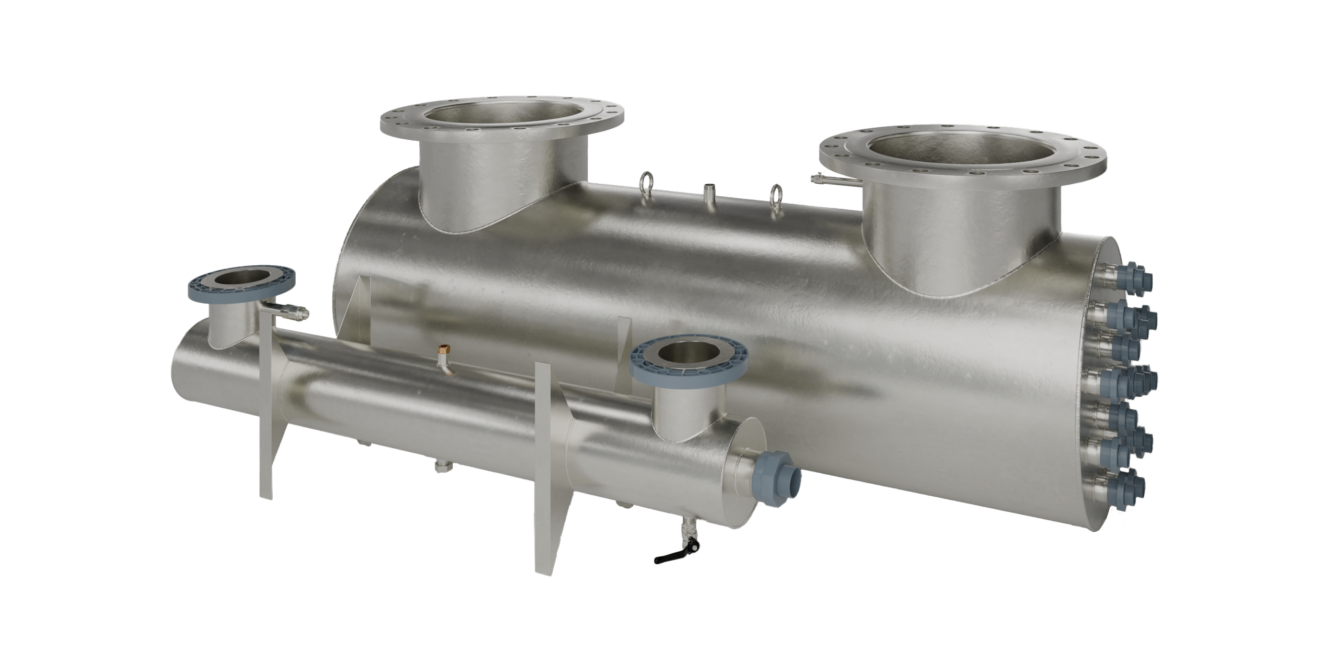
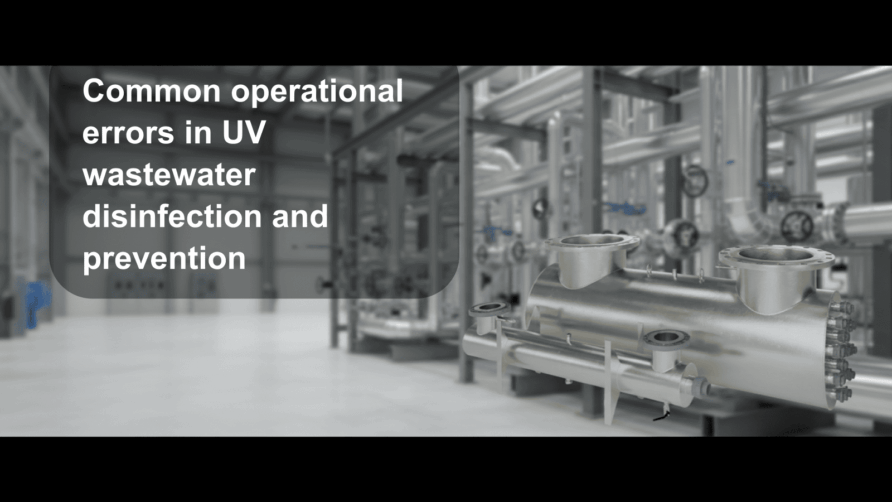
Multi-lamp UV pressure units in a stainless steel housing are used for water treatment. They can be made of AISI 316 or AISI 304 steel, with any performance parameters suitable for your system.
Frequent operational mistakes in UV wastewater disinfection
Common issues hindering stable disinfection results often stem from a lack of systematic operational management. These include improper equipment selection for site-specific conditions, neglecting routine maintenance, delayed lamp replacement, insufficient water quality control before UV treatment, inaccurate sensor calibration, inadequate automation in monitoring, and failure to follow operational protocols.
Such errors reduce disinfection efficiency, increase repair and testing costs, and sometimes cause environmental non-compliance. Therefore, a comprehensive engineering approach must encompass not only equipment choice but also process organization for monitoring and servicing.
Pre-installation checklist for UV wastewater treatment systems
- Assess physico-chemical parameters of wastewater.
- Define system capacity and operating modes.
- Evaluate regulatory dose requirements.
- Select equipment with sufficient power margin.
- Design automatic control and monitoring systems.
- Ensure easy access to quartz sleeves for maintenance.
- Develop lamp replacement and servicing schedules.
- Train personnel on operation and monitoring basics.
- Implement alert and fault notification systems.
- Verify integration with overall treatment processes.
- Conduct performance testing under various conditions.
- Approve maintenance and quality control plans.
Frequently asked questions before purchase and commissioning
How to determine the required UV disinfection dose for a specific facility?
Dose calculations consider wastewater characteristics (turbidity, organic load), required disinfection level, and system throughput. Regulatory requirements and power margins must be included.
Can one UV system treat different types of wastewater?
Technically yes, but effectiveness depends on consistent water parameters. Additional filtration or process adjustments may be needed.
How often should UV lamps be replaced?
Lamp life typically ranges from 8,000 to 12,000 operating hours. Timely replacement is critical to maintain UV intensity and disinfection efficiency.
How to monitor disinfection effectiveness in real time?
Using UV intensity sensors combined with automated monitoring systems that send alerts when parameters fall below thresholds.
What actions are needed if wastewater transparency decreases?
Identify and address causes promptly (e.g., failures in preliminary treatment), as reduced transparency impairs UV penetration and disinfection.
What are common installation errors with UV systems?
Incorrect lamp and sensor placement, poor sealing, and improper water flow management lead to performance loss and equipment failures.
Is automatic quartz sleeve cleaning feasible?
Yes, automated cleaning systems help maintain sleeve transparency and UV intensity while reducing manual labor.
What additional measures improve system reliability?
Regular diagnostics, staff training, integration with water quality control systems, and preventive maintenance planning.
Conclusion
UV disinfection of wastewater is an effective and environmentally friendly method that demands a diligent engineering approach to equipment selection, implementation, and operation. The cornerstone of success is consistently achieving the required UV dose, considering water quality and operational modes. Avoiding common errors requires systematic monitoring, maintenance, and parameter control. The next steps include pilot data collection, site-specific design, and establishing maintenance protocols.