Who needs UV disinfection and when
- Engineers at aquaculture facilities—to prevent infection spread within closed water loops.
- Food production technologists—when chemical-free sanitation is required.
- HVAC system designers with humidification—to disinfect water in humidifiers.
- Operations specialists—to reduce chemical costs and automate monitoring.
- Engineering system integrators—for scalable solutions compatible with existing piping.
- Production managers with strict hygiene demands—to maintain stable sanitary regimes.
- Maintenance managers—to optimize lamp replacement and preventive schedules.
How 254 nm UV radiation disinfects water in recirculating systems
Ultraviolet radiation at 254 nm falls within the germicidal spectrum. As UV passes through water, microbial DNA and RNA absorb the energy, causing molecular damage that inhibits reproduction and viability. In recirculating aquaculture systems (RAS), where water continuously cycles, UV irradiation provides stable disinfection without chemical residues.
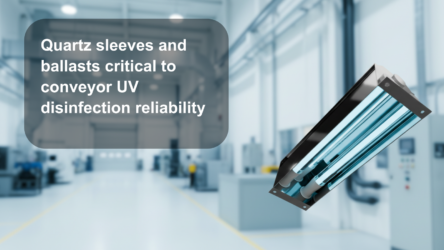
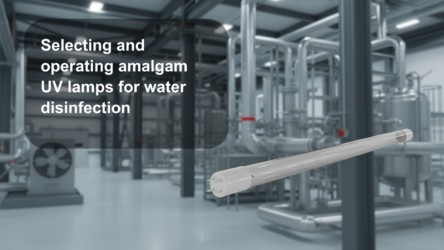
The primary factor for effective microbial inactivation is delivering the required UV dose—commonly at least 40 mJ/cm²—at the specified flow rate. Specialized UV sterilizers with amalgam lamps emit stable 254 nm radiation over long service lives (up to 16,000 hours). Quartz sleeves and sealed enclosures protect lamps from fouling and moisture, ensuring consistent output.
On-site verification includes measuring UV intensity and system throughput. Water transparency is critical because turbidity reduces UV penetration. UV meters, turbidity measurements, and total bacterial counts help assess performance.
Insufficient UV dose allows microbial survival, risking contamination and water quality degradation. Operating above design flow reduces exposure time and disinfection efficacy. Improper installation without sealing accelerates lamp failure and compromises reliability.
It is advisable to select equipment with power margins and automatic lamp operation indicators. Periodic quartz sleeve cleaning and lamp replacement every 1.5–2 years maintain system effectiveness. Monitoring water clarity and maintaining flow parameters within specifications is essential.
Technical characteristics of UV lamps for RAS and impact on performance
UV lamps for RAS are specialized amalgam, non-ozone producing sources emitting at 254 nm. Compared to conventional mercury lamps, amalgam lamps offer higher power stability and longer lifespan. Quartz sleeves shield lamps from mechanical damage and chemical exposure, while hermetic seals prevent moisture ingress.
Lamp power must correspond to water volume and flow rate. For example, a 55 W lamp delivers the required dose at flows up to 55 m³/h (at 40 mJ/cm²). Using lower-power lamps or exceeding flow rates sharply reduces disinfection performance, increasing microbial risk.
Field checks include measuring lamp output with UV detectors and verifying water exposure time in the irradiation chamber. Inspect quartz sleeves for deposits or damage. Regular monitoring involves visual inspection and checking lamp and power supply indicators.
Neglecting lamp specifications leads to frequent failures and reduced UV output, violating sanitation standards. Operating lamps without moisture protection or with poor seals causes corrosion and premature breakdown.
Using lamps with electronic ballasts featuring operational indicators is recommended. Maintain spare lamps and components onsite. Scheduled cleaning and diagnostics help detect deviations early.
How to verify UV disinfection effectiveness onsite
Comprehensive assessment involves:
- Measuring UV intensity within the sterilization chamber using calibrated UV sensors.
- Assessing water turbidity and transparency upstream of the unit.
- Monitoring water flow rate against design parameters.
- Inspecting quartz sleeves for fouling or damage.
- Checking electronic power supply units and status indicators.
- Conducting bacteriological analysis before and after treatment.
Skipping these checks risks microbiological contamination, increased bacterial loads, and potential infection outbreaks. Overloading the system or sleeve fouling shortens lamp life and increases maintenance costs.
Implementing regular inspection schedules and automated monitoring with lamp status and flow indicators enables prompt detection of anomalies and planned maintenance.
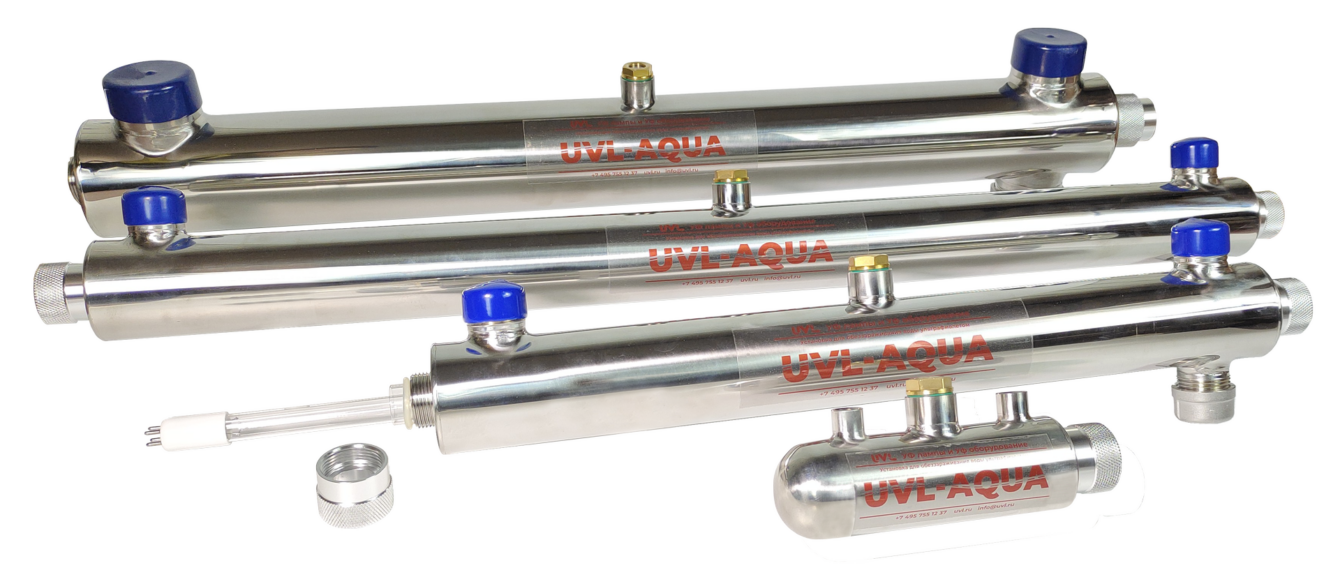
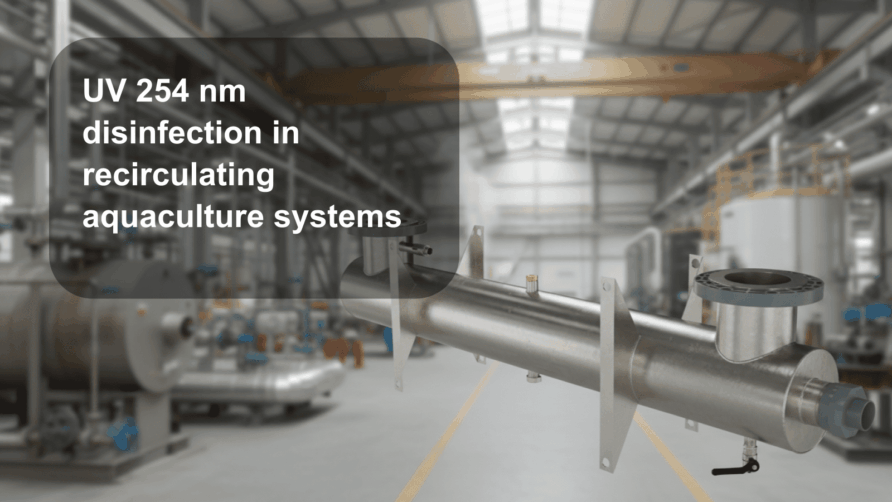
Stainless steel housing units provide water disinfection up to 99% SA in the water treatment system. They are connected to the pipeline using pipes of various cross-sections. Upon request, it is possible to produce a unit with the required parameters.
Case study: reduced UV disinfection efficiency in a recirculating aquaculture system
Initial conditions:
A fish farm with a 400 m³/h closed-loop system experienced increased microbial loads despite a 254 nm amalgam lamp UV sterilizer in operation for 18 months.
Symptoms:
- Elevated water turbidity downstream of the UV unit.
- Frequent bacterial infections in fish stock.
- UV sensor readings showed decreased radiation intensity.
- Sterilizer housing seal compromised.
- Increased downtime due to repairs.
Root causes:
Quartz sleeves fouled over time, reducing UV transmission. Housing leaks permitted moisture ingress, lowering lamp output. Flow rates exceeded design limits due to circulation changes, shortening UV exposure time. Lack of regular cleaning and monitoring allowed biofilm buildup inside sleeves, degrading disinfection.
Inspection checklist:
- Quartz sleeve condition (deposits, cracks).
- Housing and seal integrity.
- Lamp UV output via detector.
- Flow rate compliance with design.
- Power supply and indicator functionality.
- Water turbidity and transparency at inlet and outlet.
- Presence of biofilms inside irradiation chamber.
- Maintenance frequency adherence.
Remediation:
- Thorough cleaning and replacement of quartz sleeves.
- Restore housing hermeticity with new seals.
- Replace degraded lamps.
- Adjust flow rates to design values.
- Implement continuous UV parameter monitoring.
- Train personnel on maintenance and inspection procedures.
Implementation:
- Schedule maintenance per manufacturer guidelines.
- Organize routine cleaning and component replacement.
- Deploy automatic lamp status monitoring.
- Optimize water circulation process.
- Maintain spare parts inventory onsite.
Outcome monitoring:
Post-intervention, microbial water quality stabilized, turbidity decreased, and unplanned downtime was minimized. Staff followed clear servicing protocols, improving UV system reliability and reducing contamination risks.
Common mistakes when implementing UV sterilizers in RAS
- Incorrect UV power and dose calculations causing insufficient disinfection.
- Neglecting regular quartz sleeve cleaning, reducing UV transmission.
- Ignoring water flow control, shortening exposure time and lowering efficacy.
- Using lamps without operational indicators, complicating fault diagnosis.
- Breaches in housing seals allowing moisture damage.
- Lack of spare lamps and parts, increasing downtime during failures.
- Overlooking water turbidity and transparency, reducing UV effectiveness.
Pre-implementation checklist for UV disinfection in RAS
- Verify UV power and dose calculations.
- Plan for water turbidity and transparency monitoring.
- Ensure compatibility with existing piping and equipment.
- Select lamps with long service life and moisture protection.
- Install automatic lamp and ballast operation indicators.
- Schedule regular quartz sleeve cleaning.
- Stock spare lamps and components onsite.
- Control water flow rate and exposure time.
- Train personnel on operation and maintenance.
- Arrange routine bacteriological water testing.
- Implement UV parameter monitoring systems.
- Conduct performance testing under operational conditions before commissioning.
Frequently asked questions before purchase and integration
How to determine the required UV lamp power for my water volume?
Calculate based on flow rate, water quality (turbidity), and target UV dose (typically 25–40 mJ/cm²). Choose a lamp with power margin to accommodate variability.
Can standard mercury lamps replace amalgam lamps?
Amalgam lamps provide more stable output and longer life, essential for continuous RAS operation. Mercury lamps degrade faster and require frequent replacement.
How to monitor UV disinfection effectiveness without laboratory tests?
Use UV sensors to measure radiation intensity, monitor water transparency, and inspect quartz sleeves. Automated indicators aid timely fault detection.
What if water turbidity reduces UV effectiveness?
Implement pre-filtration to reduce turbidity, as high suspended solids hinder UV penetration and disinfection.
How often should UV lamps be replaced in RAS?
Replace every 1.5–2 years or after ~16,000 operating hours. Regular sleeve cleaning helps maintain efficiency between replacements.
Can UV sterilizers be integrated into existing systems without major modifications?
Yes, modern units feature compact designs and threaded sealed connections facilitating straightforward installation with minimal process disruption.
How to protect UV equipment from moisture and mechanical damage?
Use waterproof cables, sealed gaskets, and stainless steel housings. Follow installation guidelines and regularly inspect protective elements.
In summary, selecting and implementing 254 nm ultraviolet disinfection in recirculating aquaculture systems demands a rigorous engineering approach. Ensuring a reliable UV dose at design flow and water clarity is critical. Consistent equipment monitoring, timely maintenance, and proper installation underpin effective microbial control and water quality stability. The next steps involve onsite data collection, pilot testing, and developing operational protocols for long-term system performance