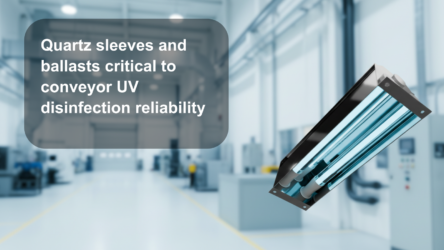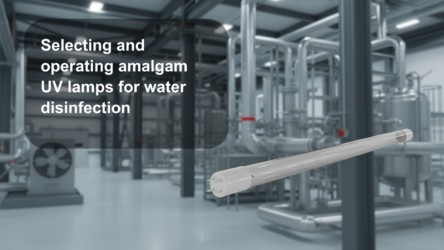
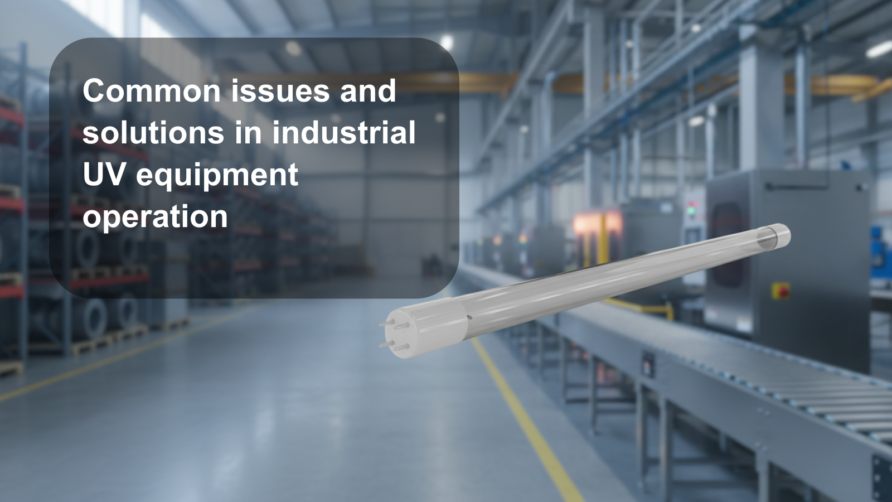
Ultraviolet (UV) equipment for air and surface disinfection has become an integral element of engineering systems in production facilities. However, operational issues frequently arise that reduce disinfection effectiveness and increase maintenance costs. Engineers and technologists must understand the causes of these malfunctions and be able to promptly identify and resolve them. This article reviews common problems related to UV lamp operation and replacement, offering practical recommendations for monitoring and maintaining equipment performance. For example, reduced UV radiation intensity caused by quartz sleeve contamination or incorrect lamp replacement can lead to insufficient air disinfection. Analyzing real-world scenarios helps prevent such errors and ensures stable system functionality.
Who needs this and when
- Operations engineers — to timely detect faults in UV equipment
- Production technologists — to ensure consistent air and surface disinfection quality
- Maintenance specialists — for correct UV lamp and component replacement
- Engineering system designers — to select reliable components and wiring schemes
- Quality managers — to monitor disinfection parameters and compliance
- Procurement professionals — to assess technical specifications of replacement lamps and parts
- Production managers — to minimize downtime and operational risks
Reduced UV radiation intensity: causes and inspection
UV radiation intensity directly depends on the condition of the UV lamp and its protective quartz sleeve. Amalgam UV lamps provide stable emission at the germicidal wavelength of 254 nm, but their efficiency decreases over time due to natural aging and surface contamination of the sleeve. In industrial environments, this manifests as diminished disinfection capability.
On-site inspection begins with measuring UV intensity using specialized lux meters or dosimeters calibrated to 254 nm. The quartz sleeve should be visually checked for deposits, dust, or scaling. Electrical supply parameters—voltage and current stability—must also be verified, as fluctuations affect lamp lifespan.
Neglecting these checks results in poorer disinfection performance, increased microbial load, higher energy consumption, and premature lamp failure, raising operating costs. Regular lamp replacement before output drops below 80% of nominal power is essential to maintain process effectiveness.
Maintenance recommendations include cleaning quartz sleeves with UV-resistant disinfectants and timely replacement of lamps with original amalgam types. Avoid frequent switching on/off cycles, which accelerate wear. Monitoring power supply parameters and ensuring correct lamp installation reduce the risk of overheating and damage.
Overheating and its impact on lamp lifespan
Overheating of UV lamps is a common issue caused by inadequate ventilation or cooling system malfunctions. Amalgam UV lamps have an optimal operating temperature range that ensures maximum germicidal output. Exceeding this range lowers radiation intensity and shortens lamp life.
Overheating can be detected using temperature sensors near the lamps or by measuring equipment surface temperature. It is critical to verify that ventilation and cooling systems function properly and airflows are unobstructed. If overheating occurs, fans, filters, and air ducts should be inspected and cleaned.
Ignoring overheating accelerates lamp aging, reduces disinfection efficiency, and may cause unexpected equipment failure, leading to costly repairs and production downtime.
To prevent overheating, regular maintenance of cooling systems, installation of temperature sensors with alarms, and selection of lamps rated for operating temperatures matching site conditions are recommended. Monitoring operational modes to avoid prolonged overheating is also important.
UV lamp replacement specifics and selection of replacement lamps
Replacing UV lamps is a crucial maintenance step directly affecting disinfection effectiveness. Amalgam UV lamps differ from conventional mercury lamps in that mercury is in a solid state, reducing risks if the sleeve breaks and simplifying disposal. However, incorrect selection or improper replacement procedures can diminish output power and damage equipment.
Before replacement, ensure the new lamp matches technical specifications of the original: emission wavelength, power, dimensions, and sleeve type. Installing lamps with different parameters can cause malfunction of the ballast (control gear) and reduce lamp lifespan.
On-site checks include verifying correct installation, absence of quartz sleeve damage, and secure electrical contacts. Handling lamps without gloves should be avoided to prevent oil residues on the sleeve that impair UV transmission.
Irregular lamp replacement or use of low-quality lamps leads to ineffective disinfection and potential damage to electronic power supplies due to parameter incompatibility.
Using only original amalgam UV lamps from trusted manufacturers, following replacement schedules, and training personnel in proper installation techniques ensure reliable operation and minimize downtime risks.
Case study: decreased disinfection efficiency in a beverage production line – analysis of lamp replacement error
Initial conditions:
A beverage manufacturer using UV equipment with amalgam lamps to disinfect air in the bottling area experienced increased microbial contamination after scheduled lamp replacement.
Symptoms:
- 30% drop in UV radiation intensity compared to previous period
- Increased bacterial counts on control surfaces
- Equipment housing overheating during operation
- Frequent temperature alarm activations
Root cause:
Incorrect replacement of UV lamps—lamps with different power ratings were installed, and proper installation checks were omitted. This disrupted ballast operation and impaired heat dissipation. Additionally, quartz sleeves were not cleaned, leading to dust accumulation and reduced UV transmission.
Inspection checklist:
- Verify new lamp parameters against equipment technical data
- Confirm correct lamp installation, contact integrity, and sealing
- Assess quartz sleeve cleanliness
- Check cooling and ventilation system performance
- Measure lamp electrical supply voltage and current
- Inspect for physical damage to lamp and sleeve
- Test ballast operation
- Measure UV radiation intensity with dosimeter
Resolution steps:
- Replace lamps with recommended amalgam models matching specifications
- Clean or replace quartz sleeves as needed
- Adjust cooling system and verify ventilation
- Inspect and replace ballast if required
- Train staff on correct lamp replacement procedures
- Implement routine UV intensity monitoring
Implementation plan:
- Develop lamp replacement and maintenance protocols
- Introduce checklists for lamp and equipment parameter verification
- Maintain inventory of spare lamps and parts
- Conduct periodic staff training and briefings
- Deploy temperature and UV intensity monitoring systems
- Schedule regular equipment audits
Outcome monitoring:
Following these measures, UV radiation intensity stabilized at required levels, microbial contamination decreased, and overheating incidents and alarms ceased. This ensured reliable air disinfection and compliance with sanitary standards.
Common operational errors with UV equipment
A major error is using lamps without verifying technical compatibility, causing ballast malfunction and reduced effectiveness. Improper quartz sleeve cleaning—using overly aggressive chemicals or inadequate frequency—also lowers UV transmission. Frequent on/off cycling without regard to recommendations accelerates lamp wear.
Ignoring temperature control and cooling system status leads to overheating and lamp failure. Insufficiently trained personnel and lack of maintenance procedures increase risks of installation errors and equipment damage. Finally, neglecting regular UV intensity measurements prevents timely detection of declining disinfection performance.
Pre-installation checklist for UV equipment
- Confirm lamp specifications meet equipment requirements
- Provide adequate ventilation and cooling systems
- Stock original replacement lamps and components
- Establish lamp replacement and maintenance protocols
- Configure UV intensity monitoring systems
- Train personnel on correct lamp replacement and maintenance
- Ensure lamp compatibility with ballast and power supply
- Implement safety measures for UV equipment operation
- Conduct on-site equipment testing before commissioning
- Schedule regular inspections of quartz sleeves and housing
- Prepare protocols for safe disposal of used amalgam lamps
- Set up reporting and audit systems for operation
Frequently asked questions before purchase and installation
How to determine when a UV lamp needs replacement?
The primary indicator is a drop of UV emission intensity below 80% of nominal, measurable with a dosimeter, alongside lamp operating hours and quartz sleeve condition.
Can lamps from other manufacturers be used?
Only replacement lamps matching the original equipment manufacturer’s specifications should be used. Mismatched lamps reduce efficiency and risk ballast failure.
How often should UV lamps be replaced?
Amalgam UV lamps typically last up to 16,000 hours, but replacement intervals depend on operating conditions and UV intensity monitoring results.
How to prevent lamp overheating?
Ensure functioning ventilation and cooling, observe recommended operating modes, and monitor equipment temperature.
What to do if quartz sleeves become contaminated?
Regularly clean sleeves with UV-resistant disinfectants, avoiding abrasive agents and damage.
How to properly dispose of used lamps?
Amalgam UV lamps are classified as hazardous waste requiring specialized disposal to minimize environmental impact.
What should be checked during lamp installation?
Verify sleeve integrity, absence of contamination, secure contact with socket, and lamp compliance with technical documentation.
How to monitor disinfection effectiveness?
Regularly measure UV intensity, conduct microbial monitoring of air and surfaces, and maintain equipment condition checks.
Conclusion
Operating industrial UV disinfection equipment demands a systematic approach to maintenance and control, especially regarding UV lamp replacement and emission parameters. Consistent germicidal UV intensity and correct use of amalgam lamps remain key effectiveness criteria. Achieving this requires implementing maintenance protocols, regular equipment inspections, and personnel training. The next steps involve data collection from operational sites, pilot testing, and developing project documentation that accounts for specific operational conditions.