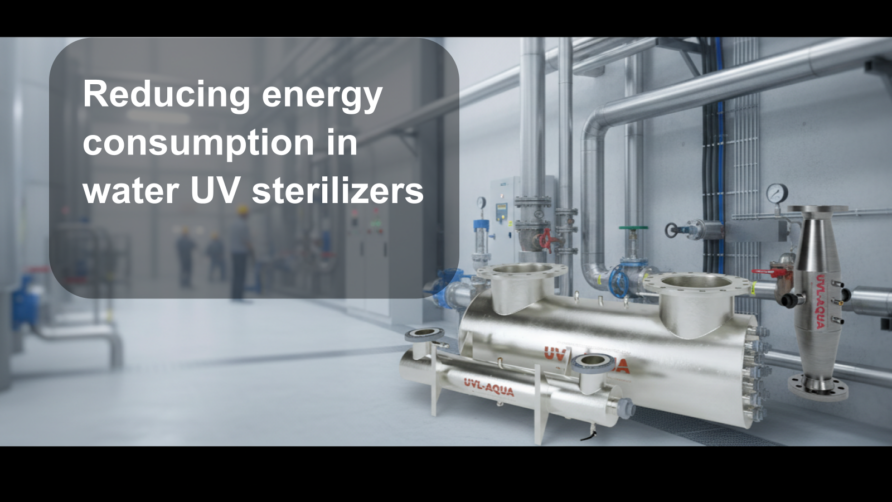
The implementation and operation of flow-through UV sterilizers are fundamental components of modern water disinfection systems. However, a significant challenge—especially at large-scale facilities with continuous water flow—is the high electricity consumption. Engineers and process specialists must not only select the appropriate UV sterilizer but also optimize its operation to minimize energy costs without compromising disinfection efficiency. This article examines the key factors influencing energy consumption in water UV systems, outlines practical diagnostic and optimization methods, and presents a case study illustrating common issues and their solutions.
In practice, flow-through UV sterilizers often operate with excessive power or improperly adjusted flow rates, leading to energy waste and reduced UV lamp lifespan. For example, one industrial site experienced a sharp increase in energy consumption despite stable water disinfection quality. The root causes were incorrect flow velocity settings and delayed lamp replacement. This article provides guidance on avoiding such pitfalls and verifying UV sterilizer performance on-site.
Who benefits and when
- Water treatment engineers selecting optimal UV sterilizer parameters with energy efficiency in mind.
- Production technologists commissioning and fine-tuning flow-through UV disinfection units.
- Service engineers planning maintenance schedules and performing diagnostics.
- Operations managers monitoring disinfection cost-effectiveness.
- Water system designers incorporating energy consumption considerations into UV equipment integration.
- Environmental specialists evaluating UV disinfection efficiency with minimal operating costs.
Impact of flow rate and lamp power on UV sterilizer energy consumption
A UV sterilizer disinfects water by exposing microorganisms to ultraviolet radiation, reducing their viability. In flow-through systems, water passes through a chamber equipped with UV lamps where disinfection occurs. The critical parameters affecting both disinfection efficacy and energy use are water flow velocity and UV lamp power.
If flow velocity is too high, water receives an insufficient UV dose, degrading disinfection quality. Operators often compensate by increasing lamp power or activating additional modules, which raises electricity consumption. Conversely, excessively low flow rates cause energy waste due to overexposure and accelerate lamp degradation.
On-site verification steps include:
- Measuring actual water velocity in the UV chamber using flow meters.
- Checking lamp specifications and current power output, considering lamp operating hours.
- Comparing measured UV intensity against disinfection standards.
- Reviewing operational logs if maintained.
Failure to balance flow rate and lamp power risks reduced disinfection quality, premature lamp failure, and increased electricity costs. Over time, this elevates operational expenses and equipment replacement frequency.
Regular monitoring and adjustment of flow velocity according to UV dose requirements are recommended. Timely lamp replacement is essential since lamp output diminishes over time, resulting in inefficiency and energy overuse. Energy optimization can also benefit from automated lamp power control systems responsive to water parameters and load.
Role of maintenance and cleaning in reducing UV system energy consumption
UV lamps and flow chambers accumulate deposits from mechanical and organic contaminants in water. Fouling on quartz lamp sleeves diminishes UV transmission, forcing operation at higher power or longer exposure times, directly increasing electricity consumption.
Technically, contamination reduces UV transmissivity, lowering disinfection effectiveness. Relying solely on water quality output without inspecting lamp and chamber conditions is insufficient.
On-site inspection methods:
- Visual examination of quartz sleeves for fouling and deposits.
- Measuring UV intensity with dedicated sensors.
- Comparing data to equipment specifications.
- Assessing cleaning frequency and quality via maintenance records.
Neglecting cleaning leads to reduced system efficiency, requiring higher lamp power or longer irradiation times, thereby increasing energy use. Contamination also accelerates equipment wear and failure risk.
Establishing a maintenance schedule with defined cleaning and lamp replacement intervals is recommended. Automated UV intensity monitoring enables early detection of performance degradation, allowing prompt corrective actions that reduce energy consumption and extend equipment lifespan.
Case study: energy overconsumption due to improper flow-through UV sterilizer settings
Initial conditions
An industrial water treatment facility operated a flow-through UV sterilizer with eight 600 W lamps for drinking water disinfection. After commissioning, a sharp increase in electricity consumption was observed without changes in water quality.
Symptoms
- 25% increase in electricity meter readings within one month.
- Frequent emergency shutdowns caused by overheating.
- Declining UV intensity measurements.
- Uneven water flow distribution in the chamber.
- Accelerated lamp wear and frequent replacements.
Root causes
Flow rate was set 30% below design value, resulting in excessive UV exposure time. Lamp power degradation over operating hours was not accounted for, prompting operators to increase supply voltage to maintain UV dose. This caused energy waste and faster equipment wear. Additionally, quartz sleeve fouling reduced UV efficiency.
Inspection checklist
- Actual water flow velocity measurement.
- Current lamp power and age verification.
- Quartz sleeve condition assessment.
- Power supply and lamp operating mode review.
- Maintenance log analysis.
- UV chamber temperature and ventilation checks.
- Presence of automated UV intensity control systems.
- Electrical system resistance evaluation.
Solution steps
- Adjust flow rate to match design specifications.
- Replace aged lamps with new units.
- Conduct thorough cleaning of quartz sleeves.
- Optimize power supply settings for lamps.
- Implement automated UV intensity monitoring and control.
- Train personnel on operational and maintenance best practices.
Implementation
- Measure and correct flow rates using calibrated flow meters.
- Schedule lamp replacements according to operational hours.
- Establish routine cleaning and inspection protocols.
- Install UV intensity sensors with alarm functions.
- Maintain detailed operation and service documentation.
- Conduct staff training and safety briefings.
Outcome control
Post-implementation, energy consumption decreased by 20%, UV intensity stabilized at specification levels, and the system operated without emergency shutdowns. Water disinfection quality met standards. Monitoring systems facilitated prompt detection of deviations, reducing costs.
Common operational and optimization mistakes with UV water filters
Typical errors include neglecting flow parameters, resulting in non-compliant water velocity that causes energy waste and compromised disinfection. Ignoring quartz sleeve cleaning lowers UV intensity, necessitating increased lamp power.
Incorrect lamp replacement—using non-original or outdated models—also raises energy consumption and shortens equipment life. Lack of automated UV intensity control and failure to follow maintenance schedules exacerbate problems.
Ignoring UV chamber temperature and ventilation can lead to overheating and higher energy use. Improper electrical connections and absence of grounding affect operational stability and safety.
A comprehensive approach considering all technological parameters and regular equipment diagnostics is essential for reducing energy costs.
Pre-implementation checklist for flow-through UV sterilizers
- Verify lamp and chamber manufacturer specifications.
- Include flow meters for water velocity monitoring.
- Ensure presence of automated UV intensity monitoring systems.
- Provide for regular quartz sleeve cleaning.
- Check electrical supply and grounding.
- Guarantee access for lamp replacement and maintenance.
- Configure operating modes based on source water quality.
- Maintain operation and service logs.
- Assess integration potential with enterprise control systems.
- Train personnel in operation and safety procedures.
- Conduct load testing of the system.
- Plan regular inspections and audits.
Frequently asked questions before purchasing and deploying UV sterilizers
How to determine required UV lamp power?
Calculate based on water volume and necessary UV dose for effective disinfection, considering source water quality and flow velocity.
What is the optimal lamp replacement interval?
Recommended after 9,000–12,000 operating hours since lamp output decreases over time, affecting efficiency and energy use.
How to verify UV disinfection effectiveness?
Measure UV intensity and perform microbial load analysis before and after treatment.
Can energy consumption be reduced without compromising quality?
Yes, through proper flow adjustment, regular cleaning, timely lamp replacement, and using automated lamp power control.
How do contaminants affect UV sterilizer operation?
Deposits on quartz sleeves reduce UV transmission, requiring higher power or longer exposure, increasing energy consumption.
What to do with unstable power supply?
Use voltage stabilizers and electrical protection to prevent damage to lamps and controllers.
Are additional filters needed before UV units?
Yes, mechanical filtration reduces contamination, extending lamp life and improving disinfection quality.
How to organize monitoring and record-keeping?
Maintain operation logs, install UV intensity sensors and flow meters, and conduct scheduled inspections.
Can UV sterilizers be integrated into automated control systems?
Modern units support integration with SCADA and other management systems to optimize operation and energy use.
In conclusion, reducing energy costs in water UV sterilizer operation requires a comprehensive engineering approach: selecting appropriate flow and lamp power parameters, performing regular maintenance, and implementing monitoring systems. The key criterion is maintaining optimal UV intensity at the minimum necessary energy consumption. Next steps for engineers include gathering current operational data, conducting pilot measurements, and developing tailored operational protocols considering equipment and site specifics.