In modern pool water treatment systems, ultraviolet (UV) sterilizers play a critical role in disinfecting water by reducing microbial load without chemical additives. For engineers and technologists, understanding the principles of UV sterilizer operation, proper use, and maintenance is essential to ensure stable and safe system performance. Improper handling, delayed lamp replacement, or installation errors can reduce sterilization efficiency, increase bacterial growth, and risk non-compliance with sanitary standards. This article reviews how to select, implement, and monitor UV sterilizers for pools, highlighting common mistakes and proven engineering solutions based on practical experience.
Who needs this and when
- Water treatment engineers — to select optimal UV units considering hydraulics and load.
- Pool technologists — to monitor disinfection quality and detect malfunctions promptly.
- Operations specialists — for correct equipment maintenance and component replacement.
- Engineering system designers — to integrate UV sterilizers into existing infrastructure.
- Facility managers — to plan budgets and maintenance schedules.
- Water quality controllers — to verify UV disinfection effectiveness.
- Equipment suppliers — to provide technical consulting and client support.
UV disinfection technology in pools: process physics and factors affecting efficiency
Ultraviolet radiation disinfects by damaging microbial DNA and RNA, preventing reproduction and reducing microbial contamination in water. Pool UV systems commonly use medium-pressure lamps up to 2.5 kW, delivering UV doses around 60–200 mJ/cm². This dose range ensures inactivation of pathogenic bacteria and viruses without chemical treatment. Uniform UV exposure across the water flow is critical; shadowing and fouling of the lamp’s quartz sleeve or improper hydraulics reduce effectiveness.
On-site verification of UV sterilizer performance involves measuring UV intensity with specialized sensors and monitoring flow parameters and reactor pressure. Visual inspection of lamps and quartz sleeves, along with recording lamp operating hours, are mandatory maintenance steps.
Neglecting hydraulic conditions or quartz sleeve cleanliness decreases UV dose, leading to incomplete disinfection and microbial proliferation. Incorrect installation or overdue lamp replacement causes operational failures and increased repair costs.
Regular UV dose measurements, pressure and flow control, and use of lamps and components matching technical specifications are recommended. Automatic shutdown in the absence of circulation prevents lamp overheating and damage.
Operation and maintenance features of pool UV sterilizers
UV sterilizer performance depends not only on proper equipment selection but also on routine maintenance. UV lamps typically have a service life of 9,000–12,000 hours; beyond this, UV output declines significantly. Maintaining quartz sleeve cleanliness is vital, as organic and mineral deposits reduce UV transmission and disinfection capacity.
Field checks include visual lamp condition assessment, UV intensity measurement, automation system logs review, and housing integrity inspection. Quartz sleeves require cleaning or replacement as needed. Flow parameters must be monitored since exceeding design velocity reduces UV exposure time.
Ignoring maintenance leads to decreased UV disinfection efficiency, potentially requiring increased chemical dosing or risking sanitary violations. Damaged or fouled lamps can cause automation faults and equipment failure.
Implementing a maintenance schedule with planned lamp replacement, regular quartz sleeve cleaning, and operational parameter monitoring is advised. Automation and alarm systems facilitate timely response and extend equipment lifespan.
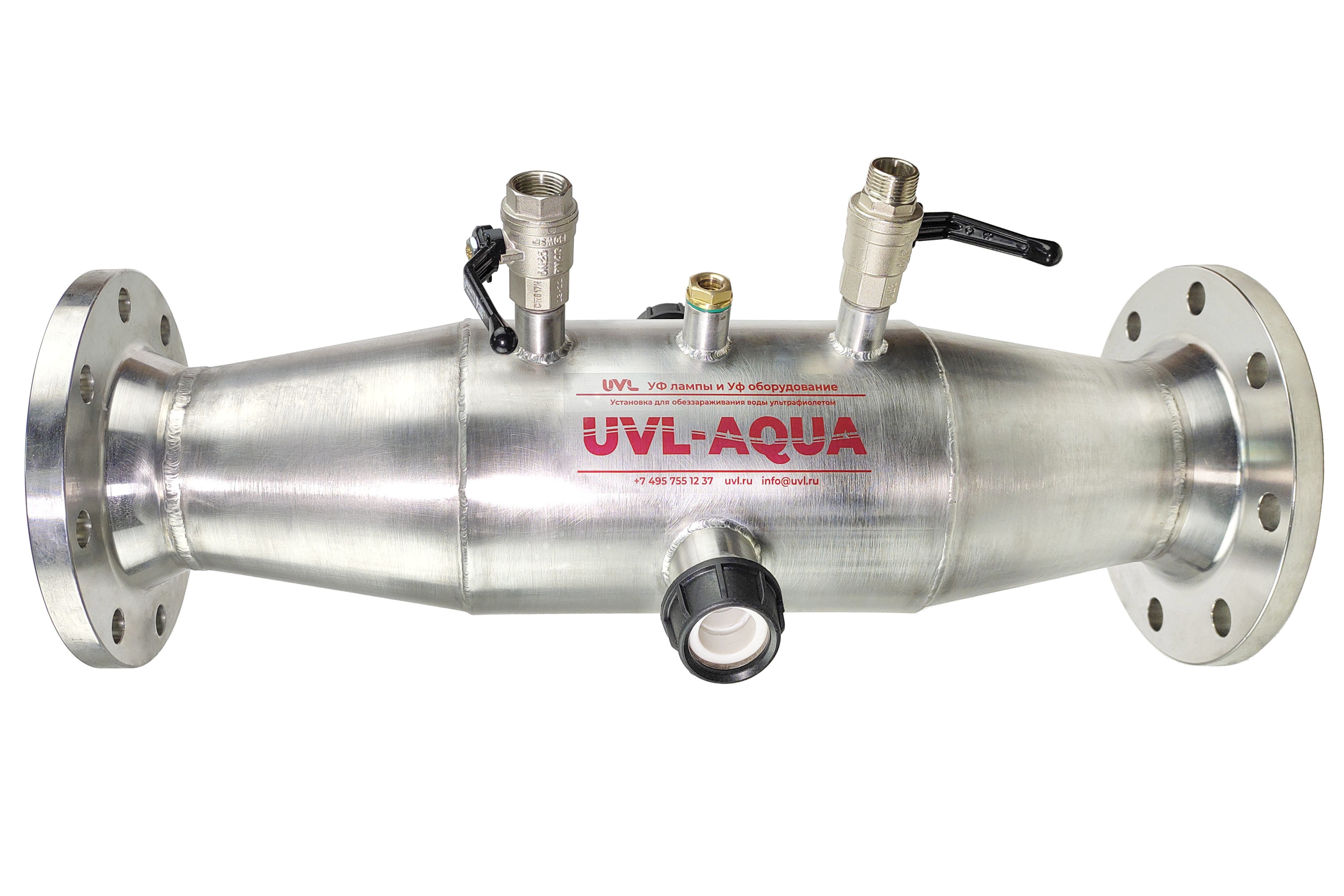
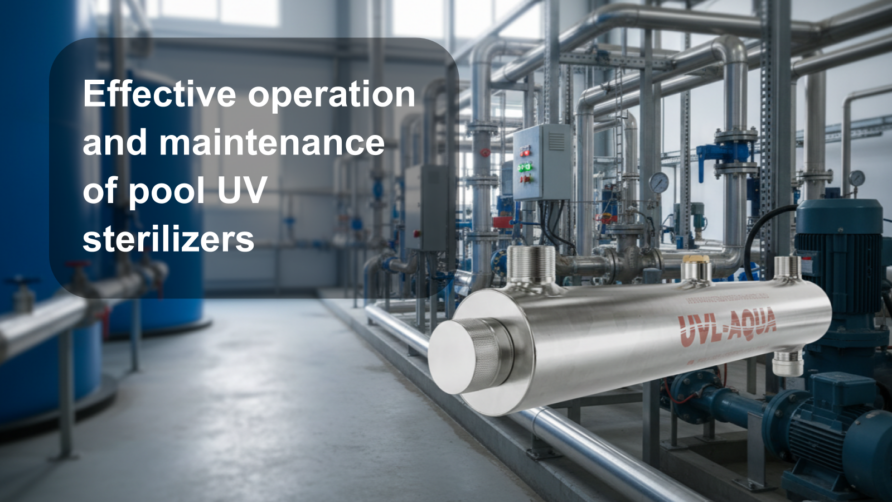
Medium pressure UV units in a stainless steel housing, used in areas where water treatment with ultraviolet radiation in the range of 200 to 400 nm is required. Designed for larger swimming pools. Ultraviolet light helps to neutralize trichloramines (derivatives of chlorine), which significantly improves the quality of pool water.
Case study: lamp replacement in a dolphinarium pool UV sterilizer — analysis of errors
Context: A dolphinarium pool used a medium-pressure UV system (~2.5 kW lamps) for water disinfection. Lamp replacement was needed, but due to lack of original parts, substitutes were installed.
Symptoms:
- Lamp size mismatch with sockets
- Startup failures and sensor errors
- Rapid lamp burnout (under 1,000 hours)
- Reduced UV dose and increased microbial load
- Automation protection malfunctions
Cause: Substitute lamps deviated in length and diameter, causing poor contact and UV flow distortion. Lamp operating modes differed from originals, leading to overheating and premature failure. Technical incompatibility reduced disinfection efficiency and necessitated extra repairs.
Checklist for verification:
- Lamp size and base conformity to original specifications
- Compatibility of emission spectrum and power
- Quartz sleeve integrity and sealing
- Functionality of UV intensity sensors
- Reactor water pressure and flow velocity
- Automation and protection system performance
- Lamp operating hours and cycling
- Presence of mechanical damage or contamination
Remediation steps:
- Conduct detailed technical analysis of original lamps and equipment
- Develop prototype lamps matching exact dimensions and parameters
- Test and adapt lamps on-site
- Supply only certified, verified components
- Adjust automation settings to new equipment parameters
- Train staff on correct maintenance and lamp replacement procedures
Implementation:
- Schedule lamp replacement based on service life and manufacturer guidelines
- Regularly monitor UV dose and system condition
- Establish protocols for quartz sleeve inspection and cleaning
- Maintain stock of original or compatible lamps
- Install automated deviation alarms
- Monitor and adjust hydraulic parameters as needed
Post-implementation monitoring confirmed stable UV sterilizer operation, consistent disinfection doses, and reduced microbial contamination without interruptions or failures.
Common mistakes in operating pool UV sterilizers
Typical errors often stem from neglecting maintenance protocols and improper equipment selection:
- Using lamps with incompatible technical specifications
- Failing to clean quartz sleeves regularly
- Ignoring flow and pressure monitoring in the reactor
- Disregarding automation protection and alarms
- Incorrect installation causing leaks and reduced efficiency
- Delayed lamp replacement past end-of-life
- Lack of staff training for maintenance tasks
Each mistake reduces UV disinfection effectiveness and increases risks of technical malfunctions and sanitary non-compliance.
Pre-installation checklist for pool UV sterilizers
- Verify hydraulic parameters of the circulation system
- Confirm equipment connection size and type
- Ensure lamp compatibility with technical requirements
- Implement automatic shutdown for no-flow conditions
- Install UV intensity monitoring sensors
- Provide easy access for lamp maintenance and replacement
- Check housing sealing and weld quality
- Protect against cavitation and hydraulic shocks
- Train maintenance personnel
- Plan regular monitoring and technical servicing
- Stock spare lamps and components
- Develop control and documentation protocols
Frequently asked questions before purchase and installation
How to determine required UV system power?
Based on circulating water volume and required UV dose considering flow velocity.
Can lamps from other manufacturers be used?
Only if technical parameters and dimensions fully match; otherwise, malfunctions and efficiency loss may occur.
How often should lamps be replaced?
Typically after 9,000–12,000 operating hours, when UV output declines.
What parameters should be monitored during operation?
UV intensity, water pressure and flow rate, housing integrity, quartz sleeve condition, and automation function.
What to do if UV intensity decreases?
Check quartz sleeve fouling, lamp condition, and flow parameters; clean or replace as needed.
How to avoid installation errors?
Follow technical documentation, ensure sealing and correct lamp positioning, and configure automation and protection properly.
Can UV sterilizers be used without chemical treatment?
UV reduces microbial load but combined chemical treatment is often necessary for comprehensive water treatment.
How to verify disinfection effectiveness on-site?
Conduct regular UV dose measurements and microbiological water analyses.
What special considerations exist for pools with live animals?
Use ozone-free lamps and monitor parameters to avoid harm to animals while maintaining microbiological safety.
Conclusion
Ultraviolet sterilizers are vital components of pool water disinfection systems, requiring precise selection, correct operation, and regular maintenance. Maintaining the specified UV dose under stable hydraulic conditions and quartz sleeve cleanliness is key to effectiveness. Engineers should collect system status data, conduct pilot testing, and develop maintenance protocols to ensure uninterrupted operation and compliance with sanitary standards.