Who needs UV disinfection systems and when
- Water treatment engineers in food production — to comply with sanitation standards and prevent microbial growth.
- Process engineers in oil and gas facilities — for chemical-free disinfection of process and domestic wastewater.
- Water treatment system designers — when selecting and integrating UV equipment into treatment plants.
- Operations teams — to monitor and optimize UV sterilizer performance.
- Environmental specialists — for controlling the quality of treated water discharge.
- Procurement professionals — to evaluate cost-effectiveness and payback periods.
- Treatment plant auditors — to identify causes of microbial non-compliance.
Principles of UV disinfection for wastewater and factors affecting performance
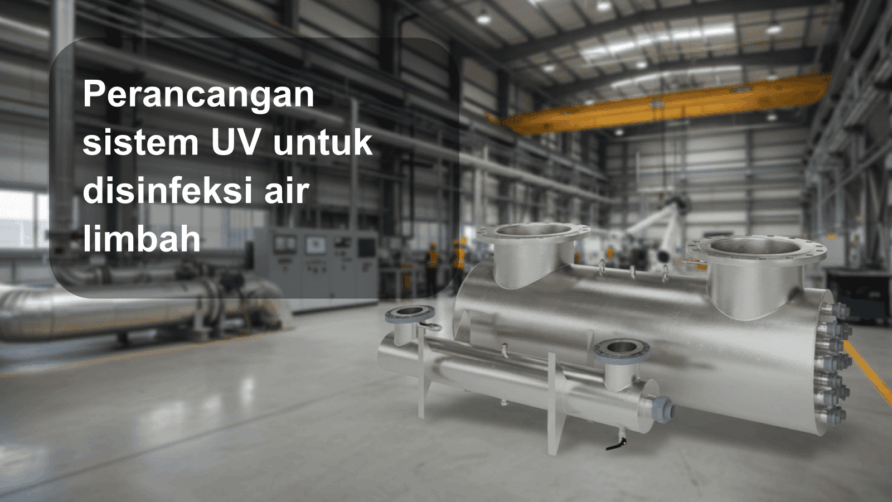
UV disinfection relies on germicidal radiation at about 254 nm wavelength. As wastewater passes through multi-lamp sterilizers, UV rays disrupt microbial DNA, preventing reproduction and reducing microbial load. Uniform irradiation of the flow is critical, with reactor design minimizing dead zones and turbulence that can impair effectiveness.
The key parameter is UV dose, measured in mJ/cm². For wastewater, an optimal dose typically ranges from 25 to 30 mJ/cm², ensuring effective inactivation even of resistant microorganisms. Lower doses drastically reduce disinfection efficiency, especially in the presence of suspended solids and turbidity that absorb and scatter UV light.
Performance can be monitored using UV sensors integrated into the reactor, allowing real-time intensity control and lamp power adjustment. On-site microbiological testing before and after treatment, along with turbidity and chemical analysis, helps verify system effectiveness and identify factors reducing UV transmittance.
Neglecting these aspects risks insufficient UV dose, incomplete disinfection, and biological contamination—critical concerns in food and oil & gas industries where recontamination disrupts processes and may cause environmental penalties.
Multi-lamp sterilizers with automatic power control and provisions for reactor cleaning are recommended. Regular parameter monitoring and timely lamp replacement are essential to maintain stable operation.
Design considerations for multi-lamp UV sterilizers treating wastewater
Designing UV systems for wastewater requires accounting for flow rate, water composition, suspended solids, turbidity, disinfection targets, and spatial constraints. Multi-lamp reactors provide uniform UV distribution and power redundancy, vital for large-scale food and oil & gas facilities.
Reactor interiors should have smooth surfaces made of highly reflective materials to enhance UV exposure. Lamp placement and pipe connections must minimize hydraulic resistance and stagnant zones. Easy access for maintenance and lamp replacement without process interruption is important.
Commissioning starts with measuring UV intensity via built-in sensors and comparing readings to design specifications. Visual inspection of reactors for fouling and deposits is necessary because they reduce UV transmission. Hydraulic parameters should be checked to ensure even flow distribution.
Ignoring hydraulic design and material quality leads to reduced efficiency, increased non-compliance risk, premature equipment failure, and higher operating costs.
To avoid these issues, select reactors with optimal geometry, incorporate automatic UV dose control, design with power margins, and establish regular maintenance and staff training programs.
Application specifics of UV disinfection in food and oil & gas industries
Food industry wastewater often contains organic matter and suspended solids that reduce UV transparency. Maintaining a stable UV dose is crucial to prevent pathogenic microbial growth and spores. Chemical disinfection is less favored due to potential residuals.
Oil & gas wastewater may contain hydrocarbons and chemical contaminants that impair UV transmittance and create harsh conditions for equipment. Multi-lamp systems with enhanced protection and automated control maintain required disinfection levels without chemicals, meeting environmental and process safety demands.
Practical verification involves turbidity and chemical composition analysis, plus microbiological testing before and after treatment. Monitoring UV intensity stability and detecting fouling or lamp degradation are essential.
Failing to consider wastewater characteristics causes operational disruptions, lowered disinfection efficacy, regulatory breaches, and increased costs for secondary treatment. In food production, this risks process interruptions; in oil & gas, environmental fines and reputational damage.
Preliminary wastewater analysis, equipment with power reserves, automated monitoring, and alarm systems are recommended.
Case study: Incorrect UV equipment selection in oil & gas leading to wastewater recontamination
Initial conditions: An oil & gas facility installed a UV disinfection system for domestic wastewater at 400 L/s capacity. A single-lamp sterilizer with minimal power margin and no automatic UV intensity control was used.
Symptoms:
- Intermittent microbial exceedances post-disinfection
- Frequent equipment shutdowns
- Increased turbidity inside the disinfection chamber
- Rising costs due to reprocessing water
Root causes: The single-lamp system could not handle water quality fluctuations and flow volume. Lack of UV intensity monitoring resulted in underpowered lamp operation. High turbidity and hydrocarbons reduced UV penetration, unaccounted for in design.
Checklist for troubleshooting:
- Confirm UV lamp power meets design requirements
- Verify and calibrate UV intensity sensors
- Assess turbidity levels and inspect reactor fouling
- Evaluate hydraulic parameters and flow uniformity
- Check lamp condition and lifespan
- Confirm presence and functionality of automatic control system
- Review quality of preliminary water treatment
- Audit maintenance procedures
Recommended actions:
- Upgrade to a multi-lamp system with power reserve
- Implement automated UV dose control and regulation
- Improve pretreatment to reduce turbidity
- Establish regular maintenance and operator training
Implementation:
- Install new sterilizer integrated into existing infrastructure
- Calibrate and test UV sensors
- Train staff on new equipment operation
- Develop monitoring and maintenance protocols
- Set up alarm and emergency response systems
Results: The upgraded system consistently delivered the required UV dose, microbial parameters met standards, and downtime and reprocessing costs declined.
Common pitfalls in UV wastewater disinfection system design and operation
Frequent mistakes include:
- Underestimating turbidity and wastewater composition during equipment selection
- Omitting automatic UV intensity control
- Using single-lamp units for large flows
- Neglecting regular reactor cleaning to remove deposits
- Delayed lamp replacement and lack of condition monitoring
- Poor hydraulic design causing stagnant zones
- Insufficient personnel training and maintenance planning
These errors reduce disinfection efficacy and increase the risk of sanitary non-compliance, leading to extra costs and regulatory challenges.
Pre-implementation checklist for UV wastewater disinfection systems
- Analyze wastewater composition and turbidity.
- Ensure UV lamp capacity includes 20–30% power reserve.
- Verify presence and calibration of UV intensity sensors.
- Examine hydraulic parameters and flow uniformity.
- Design for easy maintenance and lamp replacement access.
- Confirm automatic control and alarm systems are included.
- Plan for routine reactor cleaning to remove deposits.
- Organize operator training on system use.
- Set up water quality monitoring before and after disinfection.
- Align design with environmental and sanitary requirements.
- Check compatibility with existing treatment stages.
- Develop maintenance and control protocols.
Frequently asked questions before purchase and commissioning
What flow rates can multi-lamp sterilizers handle?
Models cover from several hundred up to thousands of liters per second; selecting equipment with power margin for current and future loads is important.
How does turbidity affect UV disinfection efficiency?
Higher turbidity reduces UV transmittance, decreasing dose and disinfection effectiveness. Pretreatment and turbidity control are necessary.
Is UV disinfection feasible without pretreatment?
Generally no; high suspended solids and contaminants impair lamp operation and reduce efficiency. Mechanical and chemical pretreatment is mandatory.
How is UV dose controlled in real time?
Modern systems use UV intensity sensors that automatically adjust lamp power and alert on performance drops.
What maintenance is required for UV systems?
Regular reactor cleaning, lamp inspection and replacement per schedule, sensor calibration, and staff training are essential.
What about installation costs for UV wastewater disinfection?
Costs vary by capacity and configuration; multi-lamp systems are typically more expensive than single-lamp units. Total cost of ownership should consider savings on chemicals and maintenance.
What to do if UV disinfection efficiency decreases?
Check lamp and sensor condition, clean reactor of deposits, evaluate pretreatment quality and turbidity levels.
UV disinfection is an effective and environmentally friendly method to reduce microbial load in wastewater from food and oil & gas industries. Successful implementation depends on proper equipment selection considering wastewater properties and process conditions, combined with automated control and regular maintenance. The next step involves detailed wastewater characterization, pilot testing, and tailored project development.