In modern industrial ventilation systems, UV disinfection units play a critical role in air sterilization. Their primary function is to reduce microbial contamination by disinfecting the air stream, thereby supporting the safety of production processes and product quality. However, the effectiveness of these units depends directly on correct installation, configuration, and ongoing operational monitoring. Engineers and process technologists must understand how UV disinfection units function, which parameters impact their performance, and how to promptly identify deviations on site.
This article explains why monitoring UV disinfection units in ventilation is not merely a procedural formality but an essential practice to prevent reduced sterilization efficiency. In real-world applications, issues such as lamp degradation, power supply faults, or reflector contamination can cause ultraviolet output to drop, resulting in insufficient air disinfection and increased microbial risk. We will detail the monitoring methods and tools, typical mistakes, and recommendations for implementation.
Who needs this and when
- Ventilation engineers—to ensure stable operation of UV disinfection units and compliance with technical specifications.
- Production technologists—to guarantee microbiological safety of air in critical process zones.
- Service engineers—for planning preventive maintenance and component replacement.
- Project managers—for overseeing equipment quality and system integration.
- Operational staff—to detect and address malfunctions promptly.
- Occupational safety specialists—to maintain sanitation standards on site.
- Designers—for correct selection and sizing of UV units during project planning.
Understanding the operation principles and key parameters to monitor
Physics of the process and UV radiation intensity control
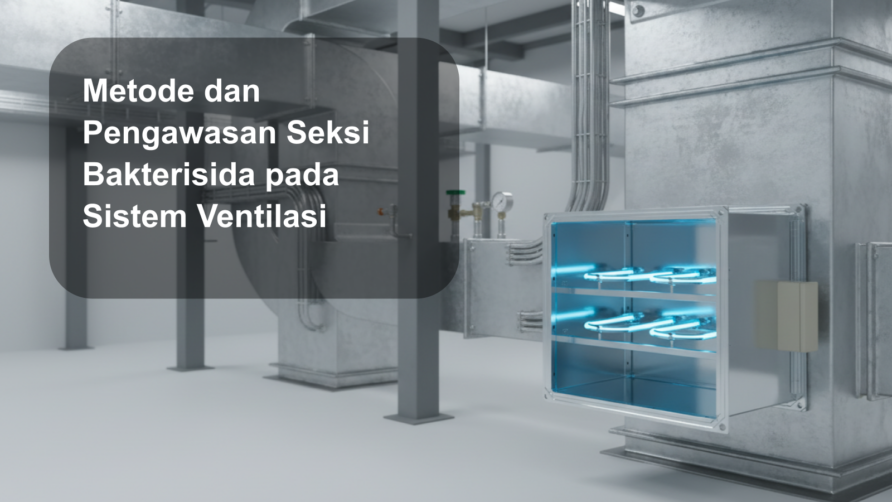
A UV disinfection unit consists of an air channel irradiated by ultraviolet lamps of specific power and wavelength. Amalgam UV lamps emit radiation at approximately 254 nm, effectively disinfecting the air. Achieving the required disinfection level depends on delivering a sufficient UV dose to the air stream, measured in kJ/m².
During operation, lamp output gradually declines due to aging, surface contamination, or reflector degradation. Without monitoring, the UV unit may fail to disinfect air adequately. Therefore, on-site use of specialized UV radiometers or sensors to measure radiation intensity is necessary.
On-site verification involves:
- Measuring UV radiation power within the irradiation zone using a radiometer.
- Inspecting lamps for mechanical damage and contamination.
- Checking reflectors for dust and oxidation that reduce reflectivity.
- Comparing measured values with equipment specifications.
- Tracking lamp operating hours and scheduling replacements per maintenance guidelines.
Neglecting these checks leads to substandard air disinfection, increasing microbial contamination risk, especially in areas with stringent hygiene requirements. Additionally, reduced UV output may cause excessive power consumption if attempts are made to compensate through thermal or operational adjustments.
Regular UV intensity monitoring should be integrated into maintenance routines. Stationary sensors connected to building management systems and portable devices for spot checks are recommended. Training personnel in lamp assessment and replacement procedures is also essential.
Electrical parameter monitoring and power supply verification
UV lamps require stable electrical supply with specific current and voltage maintained by electronic ballasts (EB). Malfunctioning EB leads to reduced UV output, premature lamp failure, or unstable operation modes.
On site, engineers must monitor:
- Voltage and current at the lamps using multimeters or dedicated instruments.
- EB condition—absence of overheating, abnormal noise, and proper lamp ignition.
- Integrity of wiring and connections, particularly in dusty or vibration-prone environments.
- Presence of alarms or errors in control systems.
Non-compliance with electrical parameters prevents the UV unit from delivering the required UV dose and increases lamp failure risk, raising maintenance costs and causing downtime.
To mitigate these risks, automatic monitoring systems with alert functions are advisable, alongside regular visual inspections and EB testing.
Airflow and environmental condition monitoring
UV disinfection effectiveness depends not only on lamp power but also on airflow rate through the unit. Excessive or insufficient airflow alters exposure time, reducing disinfection quality.
Key on-site parameters to monitor include:
- Air velocity and volume via flow meters or anemometers.
- Pressure in ventilation ducts to detect blockages or leaks.
- Air temperature and humidity, which affect UV disinfection performance.
Ignoring these factors may result in inadequate sterilization, especially under variable ventilation loads. Overloading the unit increases microbial contamination downstream, while low airflow causes air stagnation.
Comprehensive sensor systems integrated into building automation allow real-time monitoring and operational adjustments to maintain optimal UV disinfection conditions.
Case study: Decreased UV unit efficiency at a food packaging facility
Initial conditions
A UV disinfection unit equipped with amalgam lamps and electronic ballasts designed for 1200 m³/h airflow was installed in a food packaging area. After one year, elevated microbial levels were reported.
Symptoms
- Increased bacterial counts in air samples.
- Reduced UV radiation measured by portable radiometer.
- Frequent lamp failures.
- Unstable ballast operation with intermittent shutdowns.
- Variations in ventilation airflow rates.
Root causes
Insufficient technical condition monitoring: lamp contamination by dust, oxidized reflectors, and improper ballast parameters due to lack of scheduled maintenance. Additionally, airflow increased unexpectedly due to ventilation setting changes, shortening UV exposure time.
Recommended checks
- Lamp and reflector condition.
- Electrical supply parameters (voltage, current).
- Lamp operating hours and remaining service life.
- Airflow and duct pressure.
- Unit cleanliness and airtightness.
- Control system error logs.
- Air humidity and temperature.
- Mechanical integrity.
Corrective actions
- Clean and replace lamps as needed.
- Adjust and test electronic ballasts.
- Restore unit airtightness.
- Reset ventilation parameters to design values.
- Implement regular UV intensity monitoring.
- Train personnel in monitoring and maintenance procedures.
Implementation plan
- Develop a maintenance schedule.
- Acquire portable UV radiometers.
- Install automated power supply monitoring with alarms.
- Conduct staff training and instruction.
- Perform periodic equipment audits.
- Maintain detailed records of maintenance and replacements.
Outcome control
Post-implementation, UV radiation levels stabilized, and airborne bacterial counts returned to acceptable standards. Routine monitoring enabled early detection of deviations, preventing disinfection efficiency loss.
Common monitoring and control mistakes
Frequent errors include neglecting regular UV intensity measurements, resulting in unnoticed performance decline. Overlooking lamp and reflector cleanliness reduces output even with new lamps installed.
Ignoring electrical parameter control and ballast condition leads to premature lamp burnout and unstable operation. Insufficient attention to airflow changes critically affects exposure time and disinfection quality.
A lack of systematic personnel training diminishes maintenance quality and increases operational errors. Skipping scheduled preventive maintenance shortens equipment lifespan and increases costs.
Pre-installation checklist for UV disinfection units
- Verify UV power calculation aligned with airflow volume.
- Ensure access for lamp servicing and replacement.
- Confirm ballast compatibility with lamp specifications.
- Provide dust and moisture protection for the unit housing.
- Install UV intensity sensors.
- Implement airflow monitoring systems.
- Establish a maintenance and component replacement plan.
- Train staff in monitoring and maintenance.
- Set up fault notification systems.
- Confirm unit compatibility with existing ventilation.
- Align operational procedures with process requirements.
- Test equipment before commissioning.
Frequently asked questions before purchase and commissioning
How to determine required UV unit power?
Calculate based on airflow volume and required UV dose, considering flow speed and exposure time. Typically, a minimum dose of 130 kJ/m² is needed for effective disinfection.
How often should UV lamps be replaced?
Amalgam lamps have about 16,000 operational hours but require replacement when output drops below design levels or if physical damage occurs.
What electrical parameters are critical?
Stable voltage and current matching lamp and ballast specifications ensure correct operation and longevity.
Can UV intensity sensors be integrated into building management systems?
Yes, modern sensors support real-time data transmission for operational monitoring and analysis.
What actions are needed if UV output decreases?
First inspect lamps and reflectors, then assess ballast and electrical supply, followed by cleaning or component replacement.
How does air contamination affect UV disinfection?
High dust and humidity reduce UV light transmission and accelerate lamp wear; monitoring air quality and equipment condition is essential.
What are the most common operational errors?
Lack of regular monitoring, neglecting maintenance, using inappropriate lamps, and improper ventilation settings.
How to organize technical maintenance properly?
Perform regular lamp condition checks, UV output measurements, electrical testing, reflector cleaning, documentation, and staff training.
What parameters are critical for UV unit operation?
UV radiation power, stable power supply, airflow compliance with design, and absence of mechanical damage.
Summary
Monitoring and controlling UV disinfection units in ventilation systems is fundamental to maintaining consistent air sterilization and ensuring process safety. The key criterion is sustaining the design UV radiation power and stable electrical conditions. The next step is establishing systematic control procedures, implementing maintenance protocols, and training personnel. These measures prevent efficiency loss and enhance the reliability of the entire ventilation system.